Tuesday, March 26, 2013

REPOST: Salty Truth: Adults Worldwide Eating Too Much Sodium

Much focus has been placed on the national epidemic of obesity, but it seems adults the world round may actually be suffering from an equally pressing diet matter. This article from TIME Healthland talks about the global problem of consuming too much salt.
The latest research shows that almost everyone needs to hold the salt.

Image source: TIME
It’s a critical flavor enhancer for so many foods, and in centuries past, it was necessary for preserving perishables before the advent of refrigerators. But salt, alas, is one of the many factors plaguing American health. The American Heart Association (AHA) links too much salt in the diet to a higher risk for heart disease, hypertension and stroke, and according to research presented this week at the AHA’s 2013 Scientific Sessions, excessive salt led to nearly 2.3 million heart-related deaths worldwide in 2010.

The researchers analyzed 247 surveys of adults participating in the 2010 Global Burden of Disease Survey, which is a collaborative study involving researchers from 50 different countries. The participants reported on their sodium intake from 1990 to 2010 in food questionnaires. Overall, adults around the world ate an average of 4,000 mg of sodium a day, either from prepared foods or from table salt, soy sauce or additional salt sprinkled into meals while cooking. That’s twice the amount recommended by the World Health Organization (2,000 mg per day) and nearly three times the amount the AHA says is healthy (1,500 mg per day).
Of the 187 countries represented in the surveys, 181, home to 99% of the world’s population, exceeded the World Health Organization’s salt limit; only Kenya adhered to the AHA’s recommendation.

To emphasize the contribution that high sodium intake can have on health, the researchers then conducted a meta-analysis of 107 trials that measured the relationship between participants’ salt consumption and blood pressure and heart-disease risk.

Among people dying from heart attacks, strokes or other heart-related disorders, 40% were premature and occurred in people 69 and younger. Excessive salt intake — defined as anything above 1,000 mg per day — was linked to 84% of the deaths, and the majority occurred in low- and middle-income countries.

Out of the 30 largest countries in the world, the U.S. ranked 19th, with 429 deaths per million adults due to excessive salt consumption.

The Salt Institute criticized the study, noting that the added heart-disease risk was compared with an unrealistically low level of salt consumption that no country in the world met. “This latest AHA statistical study on the worldwide mortality from dietary salt is misleading and totally devoid of genuine evidence,” said Morton Satin, vice president of science and research for the Salt Institute, in a statement. “Using a highly flawed statistical model, researchers simply projected potential reductions in mortality without considering all known health risks resulting from low salt intake.”

Still, adults are not the only ones at risk. In other research presented at the AHA meeting, scientists reported that children are already eating too much salt as well. The high sodium content in prepackaged meals and snacks targeted at kids is pushing them to eat unhealthy amounts. About 75% of prepackaged meals are high in sodium, according to data that analyzed the salt content in 1,115 products for babies and toddlers.

In the analysis, the researchers defined “high in sodium” as containing over 210 mg per serving, and they found that some toddler meals contained up to 630 mg of sodium per serving. “Our concern is the possible long-term health risks of introducing high levels of sodium in a child’s diet, because high blood pressure, as well as a preference for salty foods, may develop early in life. The less sodium in an infant’s or toddler’s diet, the less he or she may want it when older,” said lead author Joyce Maalouf, a fellow at the National Center for Chronic Disease Prevention and Health Promotion at the Centers for Disease Control and Prevention in Atlanta, in a statement.

And the AHA says it’s worth remembering that salt doesn’t just come in the shaker on the table. Because it’s hidden in so many prepackaged and prepared foods, it’s important to read labels and nutritional information for things you don’t make yourself. And when cooking, keep salt to a minimum and try substituting with other flavors, like the sourness of lemon juice, to trick your taste buds into thinking they’re getting salt.
Salty diets eventually take their toll on other organs, including the kidneys. As a licensed nephrologist, Dr. Paul Frymoyer pays particular attention to developments in the medical field involving organ and kidney function. This website outlines more information about his work.

Monday, March 4, 2013

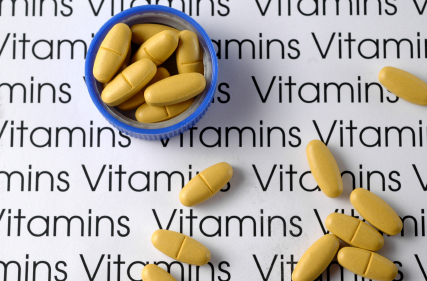
Are multivitamins necessary?

The concept of the balanced diet was promoted to ensure that people obtain the necessary amount of vitamins and minerals from their daily food intake. The reality is that a balanced diet is difficult to achieve, as the average adult finds himself hard-pressed to eat well amid a busy work week. Preying on the people’s fear of a weak immune system, supplement manufacturers suggest taking multivitamins– pills that promise to fulfill a person’s vitamin requirements by simply being swallowed.

Image Source: davitadiets.wordpress.com


One argument for the necessity of multivitamins can be summarized by the old adage, it is better to be safe than sorry Although medicine has progressed to a point where there is an available cure for virtually every common infection, parasites, bacteria, and strains of viruses still manage to evolve and spread. Vaccines are not always developed in time. With the constant threat of infection, adults are better off spending a few dollars on a bottle of vitamins than hundreds or thousands on hospital bills.

Image Source: cbsnews.com


The counterargument is that, despite possibly preventing disease, multivitamins do not protect against heart attack and stroke– two considerably more pressing conditions which most adults would rather prevent. When the cost that would go to purchasing multivitamins could instead go to preventing death by heart failure, the choice is clear.

Image Source: gandgvitamins.wordpress.com


Whether or not multivitamins are necessary is completely up to the person taking them. An unhealthy lifestyle, such as one with little sleep, can cause the immune system to seek a boost. In any case, before deciding to take multivitamins, one must always first consult a doctor.

Some adults refuse to take pill vitamins because of myths about kidney damage. Licensed nephrologist Paul Frymoyer, M.D., has guidelines about eating and living for a healthy kidney provided on this website.

Wednesday, January 30, 2013

Kidney beans and kidney health

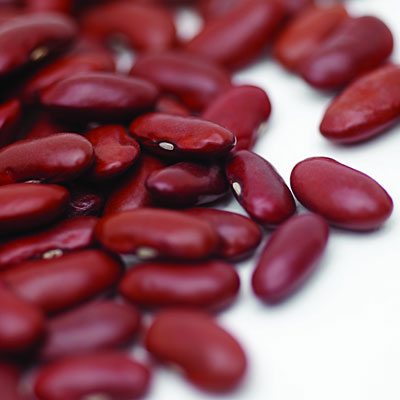
In the olden times, people believed that a particular body part was cured or made healthy by plants that resembled it. Years later, science has proved that this belief is not entirely baseless. Take kidney beans, for example.

Image Source: timeinc.com


The kidneys play a key part in a person’s overall well-being. Responsible for keeping the body clean and for maintaining homeostasis, they prevent people from being poisoned by their own waste. However, they may be damaged by factors like stress and practices like an imbalanced diet rich in fat and sodium.

Image Source: angsarap.files.wordpress.com


While there are many types of food that help nurture the kidneys, special interest is given to kidney beans. True to their name, they look like human kidneys in terms of shape and color. They also contain many nutrients that can enhance kidney health. For one, they contain very low levels of fat but plenty of soluble and insoluble fiber, making them great for maintaining low blood pressure and stable blood sugar levels. Kidney beans also contain low amounts of sodium, sugar, and cholesterol, but they are an excellent source of protein, magnesium, and potassium.

Image Source: amisvegetarian.com


Kidney beans are a great addition to a balanced diet as they help maintain healthy kidneys. Meanwhile, people with kidney disease must monitor their consumption of this legume. The protein it contains is helpful under normal circumstances, but too much of it may have adverse effects on the kidneys.

Dr. Paul Frymoyer is a licensed nephrologist. He provides advice valuable for healthy kidneys. Get more information about kidney health on this Facebook page.

Thursday, January 3, 2013

AIDS: Reduced infections in Sub-Saharan Africa but rising elsewhere

Image Credit: thejustlife.org


Scuttling the AIDS epidemic where it has been coasting most is probably every medical and healthcare professional’s global advocacy. Seven years ago, volunteers from Doctors Without Borders and medical doctors who have been on Sub-Saharan African missions to provide assistance to its impoverished ailing populations would have proffered a mix of panic and ruefulness in their situationers.


Currently, there are signs that interventions to curb the global AIDS pandemic are working in Sub-Saharan Africa. This area is still the most important region of concern, for it is the residence of 23.5 million global cases of HIV infection. An alarming percentage of victims are women who pass on the disease to their babies.


Image Credit: triplehelixblog.com


Seven years ago, too, the dismal toll of the yet incurable disease could have completely disheartened humanitarian movements. The slog to reduce morbidity from 1.8 million in 2005 to the now more optimistic figure of 1.2 million (2011 statistics) has taken painstaking efforts and donations from UNAIDS, non-profits, governments, CSR movements, and philanthropists. Another heave of global resources to salvage the most afflicted region in the world should be lined up for another push at the reduction of deaths and infections.


Yet, countering the silver lining in Sub-Saharan Africa is the push of AIDS to other regions of the world. Asia is alarmingly looking like the next emergency situation. Sadly, its rising toll is due not to extreme poverty but complacency in prevention. Sexual practices in the continent’s thriving sex work sector could be libertine about protection, while in some countries, contraception remains a taboo.


Image Credit: newsone.com


Consult this website for updates on Dr. Paul Frymoyer and other global medical and pathological trends.

Thursday, December 27, 2012

Defying patents: India forces debate on generic drugs

Image Credit: guardian.co.uk


Generic drugs should be any health worker’s favorite tools. Unfortunately, the world of medical aid missions is not resistant to the politics of drug pricing and distribution. Medical R&D practices have multiplied the world over, giving rise to affordable science. From the primordial knowledge soup of advanced medical technologies, no exclusive R&D results arise.


Stiff market competition among purveyors of high-demand drugs was the status quo until the advent of patents. Even then, emerging economies, such as India, are persisting with generic drugs production, naturally rankling huge pharmaceuticals. India offers some of the cheapest medicines in the world against cancer, tuberculosis, and AIDS. Its homegrown pharmaceutical industries were collectively worth USD 11 billion, and according to Le Monde diplomatique, it is set to inflate to USD 30 billion by 2020.


Image Credit: echoofindia.com


The medical profession isn’t homogeneous in its hawkishness, and humanitarian doctors have stepped up to the plate in the promotion of generic drugs. For instance, New York-based nephrologist Paul Frymoyer and Deane Marchbein of Doctors Without Borders, whose experience in giving medical aid in African missions opens to them the realities of epidemics and pandemics, could find recourse in generic drugs to push aid distribution far.


Image Credit: outlookindia.com


The reality is that the pharmaceutical industry is divided by its quest for profits and mission to equip the world with advanced medical solutions. India’s local, healthier pharmaceutical competitive market has evened out this contradiction, yet it remains at the behest of international trade agreements. The European Union, headed by President Juan Manuel Barroso, denounced India’s cheap drug exports, and resorted to supply seizures in what the World Health Organization considered as an abuse of counterfeit laws.


As a prominent nephrologist, Dr. Paul Frymoyer is especially concerned about new medical trends. Visit this Facebook page for more information.

Wednesday, November 28, 2012

Reblog: Decoding Cancer: Scientists Release 520 Tumor Genomes from Pediatric Patients


Time.com reports on advancements in research on cancer and ways to cure the disease:

Could the answer to cancer lie within our own DNA?

Childhood cancer experts are hoping that at least some of what drives pediatric cancers can be gleaned from the genomes of patients and their tumors. That’s the thinking behind the Pediatric Cancer Genome Project (PCGP), a three-year, $65 million effort to sequence major pediatric cancers.

The latest release of data from the PCGP, published in the journal Nature Genetics, includes 520 genome sequences from childhood cancer patients; half of the genetic material comes from their tumors, and half from their healthy tissues. By matching the tumor genomes to those of normal cells from the same patients, researchers hope to pinpoint the differences and get a better idea of where the cancer cells went awry. These discrepancies in the genetic code are also likely to be the richest targets yet for potential new therapies.

“We knew that if we only sequenced the tumor, and not normal non-tumor DNA from the patient, we would end up with thousands to hundreds of thousands of potential mutations, and no way to sort through which ones were important to cancer,” says Dr. James Downing, scientific director and leader of the PCGP at St. Jude Children’s Research Hospital, which partnered with Washington University for the project.

Ultimately, the researchers aim to use the genetic information to help develop new, more effective cancer treatments. Despite the fact that survival rates of many childhood cancers has improved to reach 80% to 90% in recent years, much of this benefit is due to early detection and quick intervention with conventional treatment, including surgery, chemotherapy and radiation therapies. There have been no new drugs to treat pediatric cancers in nearly two decades, and the rates of recurrent and new cancers among survivors remains high.

It’s hard to argue that the genetic information collected by PCGP won’t be useful, but can it change patients’ lives now? Will it help guide doctors to better treatments for childhood cancers? A recent study showed that despite the excitement over applying genetic information in improving health outcomes, adding genetic testing did not improve doctors’ ability to predict diseases such as breast cancer, diabetes or rheumatoid arthritis.

Downing acknowledges that the current depot of genetic information is but the first step. Doctors still need to be able to interpret and apply all the information gleaned from patients’ tumors and healthy cells to make smarter treatment decisions that improve survival — and perhaps even cure their cancer. “All the knowledge gained from direct analysis of DNA sequences will help as we start to apply them to personalized medicine and clinical genomics,” Downing says. “There is a lot of genetic testing going on, but does it really help? A lot of it doesn’t; there is a lot less specificity than we would ultimately need for a physician to use that sequencing information in caring for patients. But we are making good progress in interpreting the data and figuring out which mutation are important.”

Already, genetic information has provided some important clues about how best to treat certain childhood cancers: decoding the tumor genomes of a form of acute lymphoblastic leukemia (ALL), for example, showed that doctors were treating this cancer the wrong way; instead of being similar to other lymphoblastic leukemias, these tumors had more in common with acute myeloid leukemia (AML), another cancer of the bone marrow and blood cells, which is treated very differently. “So immediately we saw that we needed to modify the therapeutic approaches for patients with ALL,” says Downing.

Trials to treat patients who have relapsed on all available treatments for ALL with AML-based therapies are just beginning to launch, to establish whether the gene-based intelligence can make a difference in survival for these patients.

There are other examples, as well, in which a childhood eye cancer was traced to a mutation for which a targeted anti-cancer drug already exists.

The idea, says Downing, is to collate all the genetic information on childhood cancers into one place, so that researchers, clinicians, biologists and drug developers can analyze the data and start connecting dots toward more effective treatments. The database is currently available through the European Bioinformatics Institute portal.

While the effort was privately funded by St. Jude Children’s Research Hospital and Kay Jewelers, the PCGP will make access to the database free to researchers, as long as they use the information for research and agree to hold any publications for nine months after the data is uploaded to ensure time for any modifications to verify the sequences.

Because the final goal of the PCGP is to make DNA information useful in the clinic, Downing says that most of the project’s publications include some interpretation of the genetic material to help scientists apply it to effective clinical treatment. PCGP researchers attempt to provide background information on how the mutations identified might contribute to tumor formation, and whether there exist any studies linking mutations to bad or good outcomes for patients.

Downing acknowledges that scientists are still a long way from directly applying genomic information to cancer care, but the more samples and the more tumor DNA that is layered into the PCGP, the more easily researchers can start to pick out genetic patterns and read the hidden language of cancer cells.

“There is a wealth of information that we are generating and it will take years to extract all the valuable information,” he says. “But we need to start by getting it out into the hands of everybody in the scientific field — not only those in cancer research — so they can use it both as reference and as a discovery tool, and find new things that we have yet to find.”


Article source: http://healthland.time.com/2012/05/30/decoding-cancer-scientists-release-520-tumor-genomes-from-pediatric-patients

Monday, October 29, 2012

Paul Frymoyer on infection and antimicrobial resistance


Dr. Paul Frymoyer is board-certified in internal medicine and nephrology. He went to Malawi, Africa two years ago to provide medical assistance to the natives. As a nephrologist, the fervent doctor provides critical care for kidney diseases and conditions through efficacious interventions, particularly antibiotic treatment.

Paul Frymoyer Image Credit: communities.acs.org


That being said, the New York-based doctor, along with other physicians across different practices, would have been alarmed with the current influx of antimicrobial resistance. Antimicrobial resistance (AMR) happens when microorganisms like bacteria, parasites, and viruses are able to survive exposure to an antibiotic to which they are previously sensitive. AMR is mostly likely due to spontaneous or induced mutation in the DNA of the bacteria and to the transfer of resistant genes from one bacterium to another.

Paul Frymoyer Image Credit: primrosehill.camden.sch.uk


Dr. Paul Frymoyer would believe that AMR is the major consequence of misuse or overuse of antibiotics. Simply put, the more people use antibiotics, the more drug resistance they’ll get. Normally, antimicrobial medicines stave off infection either by directly killing microorganisms (bacteriocidal process) or by hampering the growth of microorganisms (bacteriostatic process). The overuse of drugs allows microorganisms to get used to the way antimicrobial medicines work and pick up some drug-fighting actions such as hindering the medicine from reaching its target, changing its target so that antibiotics can no longer distinguish it, and destroying the medicine itself.

Paul Frymoyer Image Credit: webmd.com


According to the World Health Organization, approximately 440,ooo cases of AMR, including drug-resistant tuberculosis (XDR-TB), appear each year, accounting for at least 150,ooo deaths.

For more healthcare news courtesy of Dr. Paul Frymoyer, go to this Facebook page.